“Yunnan coffee knowledge” search results (600)

The Development and change of Coffee Macro-environment Analysis on the Future Development trend of Coffee Market in Yunnan
1. Macro-environmental analysis with the development of the times and the further change of people's concept of life, the coffee industry is also developing at a rapid speed. The promotion of urbanization and the construction of culture are the driving force for the development of coffee shops. Government policy support for college students to start a business. Coffee shop with the popularity of coffee culture, petty bourgeoisie atmosphere
2022-12-28 Coffee Development change Macro Environment Analysis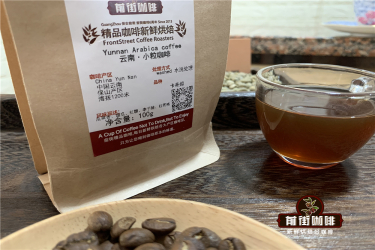
Yunnan small Coffee, known as "fragrant Coffee", introduces the characteristics of Alpine Arabica Coffee producing areas in Yunnan, China
Coffee is a kind of beverage crop with high economic value, which is called the three largest beverages in the world together with cocoa and tea, and its output and consumption ranks first among the three beverages. Coffee is rich in protein, fat, sucrose, starch, glucose, caffeine and other substances, rich aroma and delicious taste. Coffee belongs to the family Rubiaceae.
2023-03-13 Known as fragrant coffee Yunnan small grains coffee introduction producing area China a kind of
VOA's report on Chinese Coffee
I also think of what Chris, one of the bosses of first Coffee, said yesterday: the reason why Chinese coffee practitioners have low average status, low salary and low quality is caused by misconceptions in their own country. How can the salary of a barista be high if the cafe is not profitable? It's not like a cafe in Australia selling thousands of cups a day! The baristas there certainly make a lot of money from his words until now.
2016-06-14 VOA China Coffee report
Coffee in China Coffee fragrance in Yunnan (photo)
The Banna style of Li Jinghong and the ancient Tea Horse Road of Pu'er make many people yearn for the south of Caiyun. Now there are large coffee fields, clusters of red coffee fruits hanging all over the branches, and in order to make the coffee smell farther, the journey accompanied by the anecdotes, stories and scenery of a pair of foreigners who have been working in shifts for more than 10 years is even more memorable! The ratio of the height of the son who inherited his father's work to Pu'er 1.94 meters.
2015-01-21 China Coffee Information Yunnan Piaoxiang Jinghong Banna amorous feelings Pu'er Tea Magu
Chinese coffee Yunnan coffee high yield hope to have a good selling price
On January 8, the reporter walked into the Xiadong Village Committee of Mangshi Town, and as soon as he entered the village, he saw that the red coffee fresh fruits on both sides of the road were covered with branches, and a full fruit meant another harvest season. Xing Meizheng, head of the coffee planting professional cooperative of the Xiadong Village Committee of Mangshi Town, told the reporter that the cooperative was established in 2012 and was set up by 14 peasant households to adopt the model of unified management and collective processing.
2015-02-04 China coffee Yunnan high yield hope to be able there is a selling price January 8th reporter
What is the knowledge of boutique coffee beans? What is "new bean"?
Just like rice has new rice, old rice, old rice, coffee also has new coffee, old coffee, old coffee. New coffee is called new beans, which refers to the raw beans harvested that year (now the coffee in Yunnan is ripe, don't miss it). The raw coffee beans produced the year before were called Past crop. The raw beans harvested in earlier years are called old beans. In Japan, some shops under the name of old beans will produce coffee.
2015-04-03 Boutique coffee beans knowledge what is meant old beans new beans like rice new rice old rice
Where on earth does the aroma of coffee come from?
Where on earth does the aroma of coffee come from? In my mind, there is no smell that can be compared with the smell in the coffee field at flowering stage. The first flowering period of the coffee tree is about three years. The white flowers are five-petal tube-shaped flowers, with a faint fragrance of jasmine, and the inflorescences are arranged in dense clusters. It will wither after two or three days of flowering and begin to bear fruit after a few months. In Yunnan
2014-09-11 Coffee aroma coffee knowledge coffee making coffee beans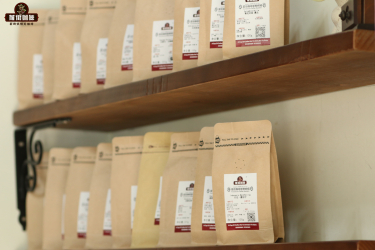
Recommended for boutique coffee beans-what coffee beans should be used for hand-brewed coffee?
First, what coffee beans should be used to make coffee by hand? The types of coffee beans are divided into two types, namely, individual products and blends. Individual coffee beans and blended coffee are also suitable for different coffee making utensils, if separated by the system, single coffee beans are suitable for filtered coffee production, while blended coffee beans are suitable for pressure extraction.
2023-01-31 Coffee knowledge hand coffee how to make coffee boutique coffee beans
Knowledge about coffee botany
According to the botanical description of coffee: coffee is Rubiaceae, coffee genus, perennial evergreen shrubs or small trees. There are more than 60 types of coffee classified, but there are roughly two varieties of coffee grown commercially on a large scale, one is Arabica, accounting for about 70 percent of the world's coffee planting area, and the other is Robasta, accounting for about 30 percent of the world's coffee planting area. According to our country
2014-08-29 Coffee plants coffee knowledge coffee encyclopedia
Botanical characteristics of small Grain Coffee in Yunnan
1. Root coffee is a shallow root crop, and the plant propagated with seeds is a cone root system. From the point of view of varieties, the roots of small and medium grain species are shallow, while those of large grain species are deeper. Yunnan small grain coffee is a 3-year-old 4-year-old fruit tree with a deep main root of about 70cm. The lateral root that grows horizontally from the main root is called the horizontal lateral root, the vertical lateral root grows downward, and the root extracted from the lateral root is called the secondary lateral root.
2014-09-05 Coffee knowledge Yunnan Coffee small Coffee Coffee Botany
VOA reports on coffee in China The status of coffee practitioners in China
Chris, one of the owners of the "first coffee" yesterday, said: The reason why the average status of Chinese coffee practitioners is low, the salary is low, and the quality is low is caused by the wrong ideas of the country. Coffee shops are not profitable. How can baristas earn high salaries? It's not like coffee shops in Australia selling thousands of cups a day! Of course the barista there makes a lot of money.
2016-07-28 VOA China Coffee Reporting Practitioner Society Status
The method of coffee processing basic knowledge of fine coffee
Within 8 hours after picking, the coffee fruit should be peeled, otherwise negative fermentation will occur, thus affecting the quality of coffee beans. There are three main methods of processing coffee: drying method, semi-dry treatment method and non-dry treatment method. The last method of treatment is adopted in Yunnan. The purpose of the treatment is to peel the coffee beans and reduce the water content of the coffee beans to an appropriate level.
2015-03-24 Coffee processing methods boutique basics common sense picking after 8 hours to
Coffee botany knowledge-Malaysia Coffee City White Coffee
According to the botanical description of coffee: coffee is Rubiaceae, coffee genus, perennial evergreen shrubs or small trees. There are more than 60 types of coffee classified, but there are roughly two varieties of coffee grown commercially on a large scale, one is Arabica, accounting for about 70 percent of the world's coffee planting area, and the other is Robasta, accounting for about 30 percent of the world's coffee planting area. According to our country
2016-08-15 Coffee Botany knowledge Malaysia Chengbai
Basic knowledge of coffee botany
According to the botanical description of coffee: coffee is Rubiaceae, coffee genus, perennial evergreen shrubs or small trees. There are more than 60 types of coffee classified, but there are roughly two varieties of coffee grown commercially on a large scale, one is Arabica, accounting for about 70 percent of the world's coffee planting area, and the other is Robasta, accounting for about 30 percent of the world's coffee planting area. According to our country
2015-04-23 Coffee botany knowledge basics common sense
Asian producing countries
China in China Coffee is cultivated in Yunnan, Hainan and other places in China. Among them, due to the unique geographical environment and climatic conditions, Yunnan coffee has formed a unique flavor of strong but not bitter, fragrant but not strong, with a little fruit flavor. World-class coffee experts evaluate it as the best coffee in the world, and its cultivation techniques. Per unit yield is also world-class. 2. Indonesia
2014-08-08 Coffee knowledge Asian producing countries Coffee Encyclopedia
The 4th China Mang City (International) Coffee Culture Festival Held
International Coffee Business Forum
2015-01-26 The 4th International Coffee and Culture Festival in Mang City China
Boutique Coffee knowledge about Coffee Botany
According to the botanical description of coffee: coffee is Rubiaceae, coffee genus, perennial evergreen shrubs or small trees. There are more than 60 types of coffee classified, but there are roughly two varieties of coffee grown commercially on a large scale, one is Arabica, accounting for about 70 percent of the world's coffee planting area, and the other is Robasta, accounting for about 30 percent of the world's coffee planting area. According to our country
2014-10-13 Coffee knowledge boutique caffeine coffee botany
Asian coffee with strong flavor The most important coffee producing area in mainland China Yunnan Province
Java's coffee production is not small, but unfortunately most of it is now poor flavor Robusta, high quality Arabica beans are few, this is because a coffee disaster in the 1970s caused coffee farmers to abandon the high quality but delicate Arabica, a large yield, easy to care for but low quality Robusta, only a few government-owned plantations still produce high
2016-07-11 Flavor Heavy Asian Coffee China Inland Most Important Producing Area Yunnan Province
The difference between Hainan coffee beans and Yunnan coffee beans Hainan coffee and Yunnan small coffee beans taste
What are the respective characteristics of coffee beans from these two places? Yunnan small-grain coffee belongs to the Katim species (a variety of Arabica), which is an improved variety of Tibika among the Arabica species, with 25% of the genes of the Robosta species. In the mountainous area with an elevation of 800m to 1800m, the temperature is about 21.5℃ and the annual precipitation is 700~1000mm. It takes 8 to 10 months for the fruit to mature.
2015-10-21 Hainan Yunnan two producing areas coffee beans all have what their own characteristics
Cultivation Techniques of Coffea arabica in Yunnan
Control methods: ① strengthen management, reasonable pruning, appropriate shade. (2) Artificial killing of adults and larvae, timely cutting down and burning of damaged branches. 2. Coffee leopard wood moth. It is widely distributed and is one of the common coffee pests, which can harm a variety of economic crops. The larvae overwinter in the branches, and the larvae often eat upward in the branches, forming a tunnel of 30~60 cm. Prevention methods: ①
2014-07-22 Coffee knowledge Arabica coffee Coffee cultivation Coffee encyclopedia